

FACELIFT
SURGERY
IN DUBAI
Refining facial definition by restoring natural contours and softening visible ageing.
FACIAL REJUVENATION SURGERY
Facelift surgery addresses facial laxity by repositioning deeper tissues and refining natural facial contours without creating an overdone appearance.
DR. IRAJ
overview
Facelift surgery is designed to restore a more refreshed and natural appearance by addressing the structural changes that occur in the face over time.
Ageing of the face involves several processes including:
• descent of facial tissues
• loss of facial volume
• skin laxity
• changes in the jawline and neck
A facelift works by repositioning the deeper facial structures and removing excess skin to restore more balanced facial contours.
The aim is not to change the face, but to restore shape, proportion and harmony with the face and neck.
Considering Facelift Surgery
Patients typically consider facelift surgery when they notice:
• loss of jawline definition
• sagging in the lower face
• deepening folds around the mouth
• skin laxity in the neck
• a tired or aged appearance despite good skin care
These changes occur because the deeper facial tissues gradually descend over time.
While non-surgical treatments can improve skin quality or restore small amounts of volume, they cannot reposition the deeper facial structures responsible for these changes.
Deep Plane Facelift
Dr Ahmadi performs facelift surgery using a deep plane technique, which addresses the deeper layers of the face rather than tightening the skin alone.
By repositioning the underlying facial tissues, the deep plane approach allows the facial contours to be restored in a way that appears natural and long lasting.
Because the deeper structures are repositioned, the skin can be redraped without excessive tension, helping to maintain a natural appearance.
surgeon insight
The goal of facelift surgery is not to make someone look different. The aim is to restore the natural position of the facial tissues so that the face appears refreshed rather than altered.
Facial Rejuvenation as a Whole
Ageing rarely affects a single area of the face in isolation.
For this reason, facelift surgery is often performed as part of a broader facial rejuvenation approach.
In many patients the procedure is combined with:
• neck lift surgery to improve neck contour
• fat grafting to restore lost facial volume
• refinement of the eyelids or brow when appropriate
Addressing multiple aspects of facial ageing allows the final result to appear balanced and natural.
Fat Grafting and Facial Volume
Loss of facial volume is an important component of facial ageing.
Fat grafting allows small amounts of the patient’s own fat to be transferred to areas of the face that have lost volume.
This technique can soften hollow areas and improve the overall quality of the facial soft tissues.
Fat grafting can also be particularly useful for patients with early facial ageing and mild skin laxity who are not yet ready for facelift surgery.
Skin Quality and Surgical Results
The quality of the skin plays an important role in the final result of facelift surgery.
While the procedure repositions the deeper facial structures, the appearance of the skin itself still influences how the face heals and ages.
Patients with healthy, elastic skin often achieve smoother and more refined results. In contrast, skin that has been significantly affected by sun damage or long-term environmental exposure may not respond as well to surgical repositioning alone.
For this reason, improving skin quality is often an important part of the overall treatment plan.
In some patients this may involve preparing the skin before surgery and continuing treatments after recovery to optimize the final result.
This approach helps ensure that the surface quality of the skin supports the structural improvements created by the facelift.
AT A GLANCE
Overnight Stay
O DAYS
Final Result
6 MONTHS
Anaesthetic
Duration
1-2 HRS
GENERAL
Surgical Technique
Facelift surgery is typically performed under general anaesthesia.
The procedure involves repositioning the deeper facial tissues and removing excess skin while preserving the natural contours of the face.
Incisions are usually placed around the ear where they can be concealed within natural creases or hair-bearing areas.
Careful surgical planning helps ensure that the final result appears natural and balanced
BEFORE AND AFTER
See before and after photos of a successful Face Lift Surgery
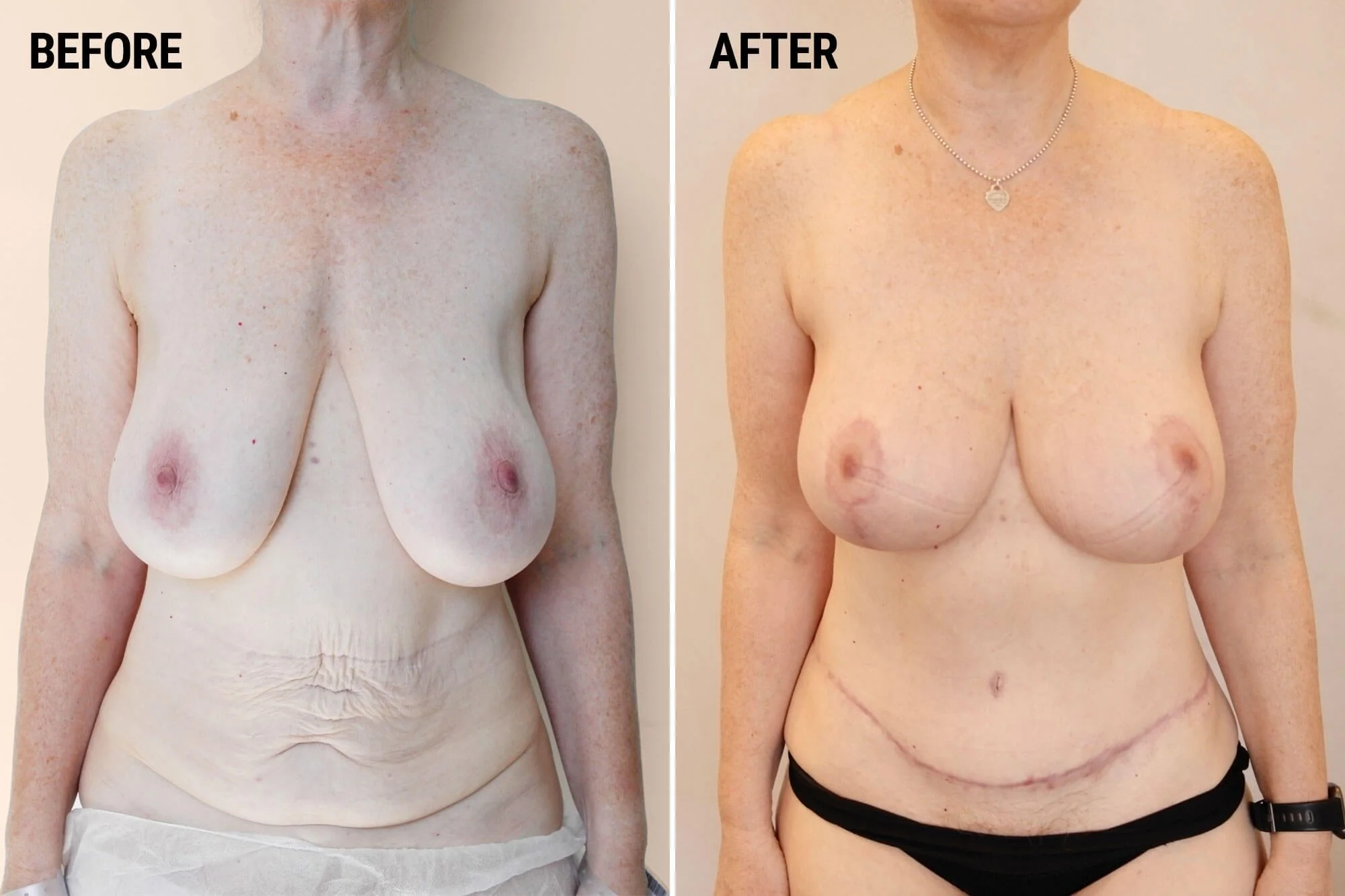
Side-by-side comparison of a woman before and after breast reconstruction surgery. The before image shows her with her natural breasts, and the after image shows reconstructed breasts with surgical scars. The woman in the after photo is wearing a necklace and black underwear.
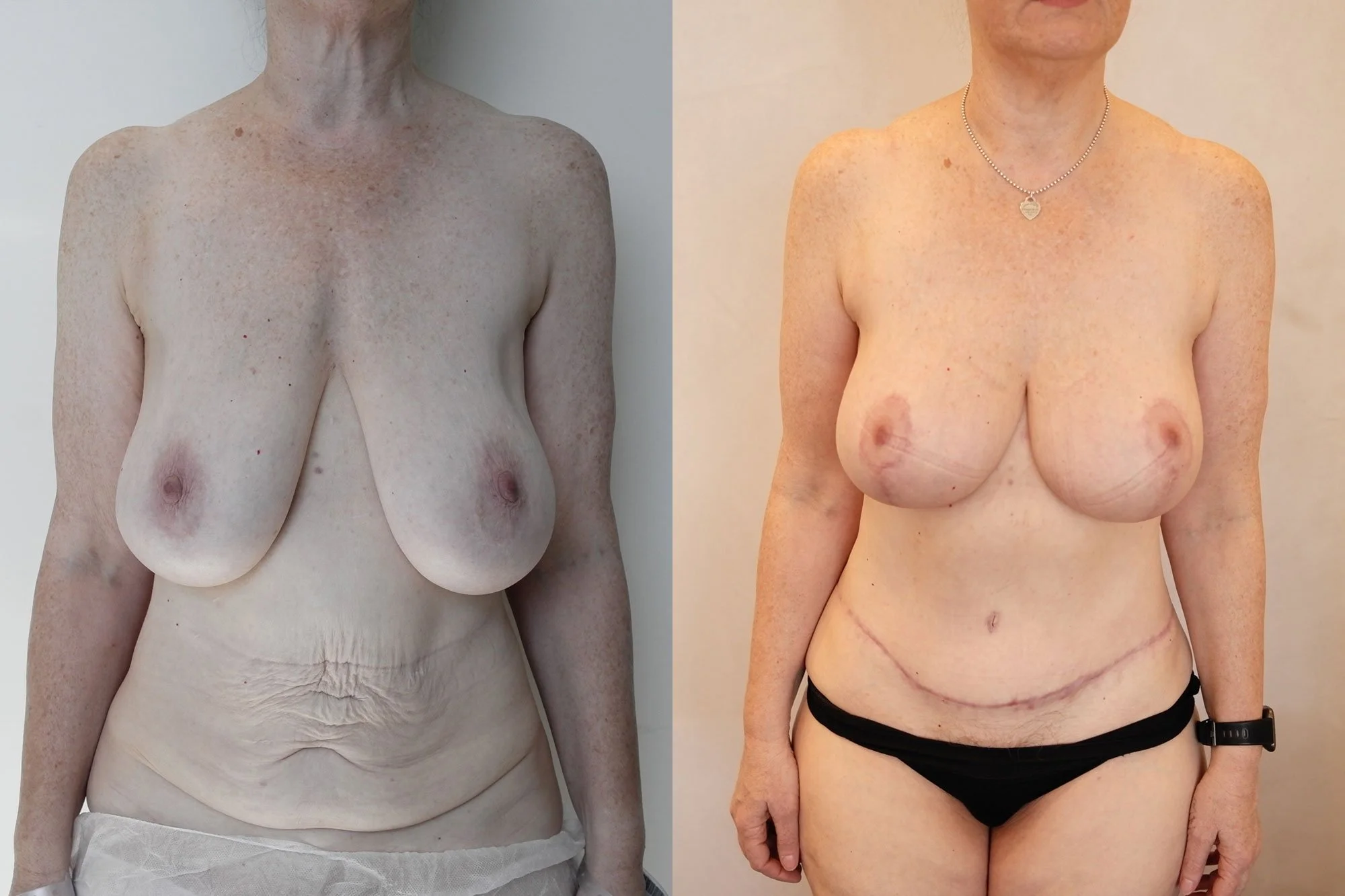
Comparison of a woman before and after breast reconstruction surgery, with scars visible on her chest and below her breasts.
Recovery
Recovery following facelift surgery varies depending on the extent of the procedure.
Typical recovery milestones include:
• swelling and bruising during the first several days
• gradual return to light activities within one to two weeks
• progressive improvement in facial contour as healing progresses
As swelling resolves, the face gradually assumes a more refreshed and natural appearance.
Results
Facelift surgery restores facial structure by repositioning the tissues that have descended over time.
When carefully planned the result should appear natural and proportionate rather than surgical.
The quality of the skin can influence the final appearance of the result. Patients with healthier skin often achieve smoother contours, while sun-damaged skin may require additional skin treatments to optimise the outcome.
The aim is always to create a refreshed appearance while preserving natural facial identity.
FAQs
-
A facelift is a surgical procedure that repositions the deeper facial tissues and removes excess skin to restore facial contours.
-
The cost of facelift surgery varies depending on the extent of the procedure and whether additional treatments such as fat grafting or eyelid surgery are performed. A consultation allows a personalised treatment plan.
-
A deep plane facelift addresses the deeper structural layers of the face rather than tightening skin alone.
-
Many patients consider facelift surgery between the ages of 40 and 60, when facial ageing becomes more noticeable.
-
Non-surgical treatments can improve skin quality or restore small amounts of volume, but they cannot reposition deeper facial tissues.
-
Incisions are typically placed around the ear where they can be concealed within natural creases or hair-bearing areas.
-
Most patients return to light activities within one to two weeks, though full healing continues over time.
-
Facelift results are long lasting, though the natural ageing process continues over time.
-
Yes. Facelift surgery is often combined with neck lift, fat grafting or eyelid surgery to improve overall facial balance.
-
The goal of facelift surgery is to restore a refreshed appearance while preserving natural facial identity.
GET TO KNOW
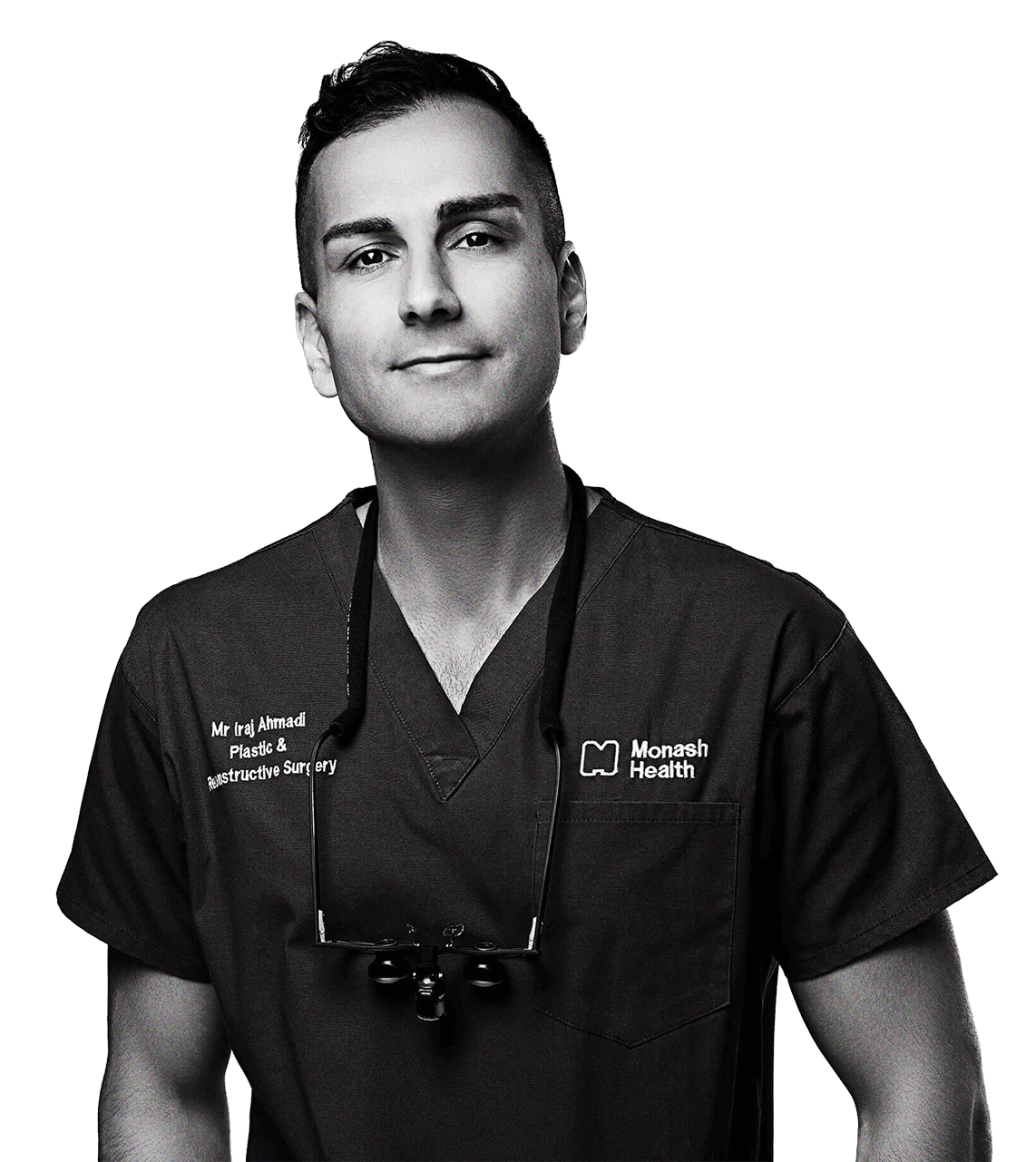
DR. IRAJ.
Dr Iraj Ahmadi is a specialist plastic and reconstructive surgeon whose work bridges aesthetic refinement and complex reconstructive surgery.
Alongside this work, his practice spans aesthetic surgery of the face and body as well as reconstructive surgery for cancer, trauma and complex tissue loss.
Related procedures
-

Neck Lift
-
Eyelid Surgery
-

Brow Lift
-

Facial Fat Grafting